Showing posts with label Opinion. Show all posts

Sunday, September 25, 2016

Popular vs Effective

“Effective leadership is not about speeches or being liked; leadership is defined by results not attributes.” – Peter Drucker

There is always an innate desire to be popular. Chalk this up to human nature, right or wrong.  Our culture idolizes movie stars, musicians, and professional athletes. We also gravitate to those who are the most popular in their respective profession, sometimes for reasons that I will never understand.  The world basically stopped and mourned when Angelina Jolie announced that she was divorcing Brad Pitt. Kim Kardashian, on a recent vacation to Mexico, took over 6000 selfies and the masses ate it up.  In her case, social media has only increased her popularity exponentially.  We can even take a look at social media numbers in general.  Individuals with large followings are often placed into the popularity column, but that doesn’t necessarily mean they are effective at what they do.  

Popularity means different things to different people and unfortunately can have a negative impact on the change process. The popularity bug impacted me early in my career.  I really wasn't concerned much about this as a teacher, but during my first few years as an administrator, it was definitely on my mind. My thought process made sense to me at least. I saw being popular with my staff as a way to overcompensate for my young age and in turn, gain the respect of veteran staff. Needless to say, all this did during those initial years was help to sustain the status quo. Nothing really changed and the results were flat at best. 

One of the most challenging aspects of education is the perception that popular teachers and administrators are also effective. Granted some definitely are, but in many cases, popularity creates a layer that when peeled away the reality comes to light. The problem, however, lies in the fact that this layer is rarely peeled away. It becomes fixated to the point that these individuals become sacred cows and untouchable.  Naysayers and antagonists use popularity strategically as a way to mask their deficiencies. It is also used to build stakeholder support for all the wrong reasons. 

Leadership is about action. It is not a popularity contest. As leaders in our respective positions, it is important to ensure popularity doesn’t get in the way of effectively meeting the needs of all learners, helping to promote and sustain a transformative school culture, or moving the education profession forward. We must be willing to make tough decisions and take on the resistance wherever it lies, knowing full well that these actions will diminish our popularity. Changes to grading, homework, instructional accountability and professional learning will all start out as unpopular decisions. However, results in the form of improved learning outcomes and the ability to help schools change at scale carry more weight in the long term than popularity does. 

Popularity does not necessarily make you a good teacher, administrator, or leader in the field of education. Your actions that lead to tangible results are what truly matter. By focusing on the latter you will not only become more effective but also pretty popular in the process. Encourage others to do the same.


Sunday, June 12, 2016

Mistakes Make Us Human

Recently I was able to enjoy some time home with my family after what had been a brutal stretch on the road speaking and presenting. My wonderful wife had been holding the fort down in my absence so I was ready and willing to help her out in any way that I could. Thus, she asked if I could take our daughter to cheer practice the entire week and I immediately obliged. Now, being a cheer dad is serious business and those of you reading this who are in a similar position know what I am talking about. 

My wife laid out specific instructions repeatedly as to what I had to do during the Thursday practice as my daughter had a flyer and tumbling class back to back. For the flyer class she needed these special stretch bands that were in the glove compartment of the car. Not only did I have to remember to get them out of the glove compartment, but I also had to remind my daughter to give them back to me after the practice because apparently she has a tendency herself to leave them around the gym. This should be a piece of cake.

A few days later my wife asked me if I had gotten the elastic bands back from my daughter after the practice. I immediately looked perplexed.  I knew that she used them during practice as I distinctly remembered taking them out of the glove compartment of the car and my daughter and I proceeded to shoot them at each other like rubber bands. The problem though was that that was the last I saw of them. After conferring with my daughter later that day, I did in fact forget to remind her to give them to me after practice. My wife just shook her head with a smirk and nicely reminded me how many times I was told what to do.  Alas, I made yet another mistake.


Image credit: http://wealwaysbelieve.blogspot.com/

I make mistakes all the time and have since birth. To be honest, I have made so many mistakes during my lifetime and will continue to do so. Everyone makes them. This does not make me, or virtually anyone else on this planet, a bad person as we all succumb to this. Many mistakes we make both professionally and personally are not part of some larger agenda. Sometimes it is because we don’t listen or fully process what we heard. At other times there is a lapse of judgment or lack of understanding, context, or the entire story. Many times mistakes just happen with no rhyme or reason. This is all a part of being human. Admitting, learning from, and moving on after a mistake is made is all that matters. Some of the best learning experiences I have carried with me for years have occurred after a mistake was made. Own your mistakes, but don't let them own you!

Being human and making mistakes is not a reason to attack, berate, chastise, ignore, give up, or treat other adults or students differently.  It perplexes me to this day how anyone can hold a grudge against someone who makes a mistake. Chances are that very same person has made his or her share of them. This is hypocritical to say the least. Students deserve the most slack when a mistake is made. How one reacts could very well determine their willingness to learn in the future. When it comes to adults, take the time to make the other person aware of his/her mistake and provide practical advice on how to overcome and learn from it. Most importantly, if the mistake is significant provide the needed support and be there. Ultimately this speaks volumes about one’s character. 


Sunday, February 28, 2016

The Meaning of Words

Jargon in education is nothing new. Luckily there are so many resources available to make sense of it as it applies to our professional practice.  Just check the Dictionary of Educational Jargon to get some clarity, then have some fun with the Educational Jargon Generator. Words are always flying around in education circles. Whether it is in person at events and workshops or in social media spaces, I routinely see conversations play out where educators take a certain stance on the meaning of specific words. Now mind you, I am speaking about education buzzwords and am not discounting the negative meaning of words outside this realm. From my lens, I see a great deal of time and energy spent on debating the negative aspects of words that other educators value. 

Certain words jump right out at me such as grit, innovation, branding, mindset, future-ready, deeper learning, and personalization. Each day various people chime in, stating their disapproval of such words when an article focusing on its merits arises. Does the meaning in someone’s opinion really matter or is it more about the outcome as it pertains to the learning culture of our schools? Do our students feel the same way about these words as the adults who spend energy discounting them?  Maybe I am off base with my thinking here, but I try to find the value in many of the words listed above as I can see how they can relate to a positive school culture.

One word that I want to talk about is rigor. It is this word, after all, that motivated me to write this post. I have seen many people I respect get pretty fired up about the term. Taken out of an educational context, the word rigor can imply being rigid, inflexible, strict, unyielding, etc.  With these descriptions, it is no wonder many people dislike the word. I, for one, don't see it this way, especially when using the term throughout my presentations and work. 


I see rigor as a way of framing lessons and learning outcomes at the high end of knowledge taxonomy. Rigorous learning empowers students to develop, have the competence to think in complex ways, and apply their knowledge and skills. Even when confronted with perplexing unknowns, students are able to use extensive knowledge and skills to create solutions and take action that further develops their skills and knowledge. This is my view of rigor. The definition below pretty much sums it up:
Rigor: A concept either describing an assignment that challenges students to use critical thinking skills or a learning environment that is challenging but supportive and engaging.
Rigorous lessons and learning activities ask students to compose, create, design, invent, predict, research, summarize, defend, compare, and justify to demonstrate conceptual mastery and standards attainment. Rigor is quite simply levels of thinking, including 

  • Scaffolding for thinking
  • Planning for thinking
  • Assessing thinking
  • Recognizing the level of thinking students demonstrate
  • Managing the teaching/learning level for the desired thinking level

Rigor is NOT:

  • More or harder worksheets
  • AP or honors courses
  • The higher-level book in reading
  • More work
  • More homework

Rigorous learning is for all students (check out the Rigor Relevance Framework). The perception that rigor only applies to a certain group is near-sighted at best. Herein lies another point of confusion with the word. After all, all students not only deserve but also should be made to feel that they can handle higher expectations.  

Not being flexible with the meaning of educational words and terms seems to be a bit hypocritical. In the case of this post, taking the opposing side of terms that others find value in seems a bit rigid, strict, and unyielding. Words in education are what you make of them. Try to have an open mind and the inherent value might provide more context for your own work and goals, but more importantly, that of your students. 

Sunday, January 3, 2016

Feedback vs Criticism

"Feedback is the breakfast of champions." - Ken Blanchard

Throughout my professional career as a teacher, administrator, author, and presenter, feedback has been and always will be a powerful conduit for growth. There is nothing more vital to our professional roles than good feedback that paints a picture not only of what we are doing well, but areas where we can either become much better or outright improve. It helps us to develop both goals and objectives that guide our work in our respective roles.  As important as quality feedback is to our success the use of criticism can set us back ten fold. If growth and improvement are the ultimate objective it is imperative to know the difference between the two.


Image credit: http://www.liveadmins.com/

A recent event led me to ponder the role of feedback and how it's misuse often leads to criticism, not of a constructive nature. In late 2015 I presented at a national conference after my proposal had been accepted earlier that year.  This was the fifth time I had presented at this event and I always found the experience to be rewarding. During my session there were about thirty attendees for the two-hour block of time that I was allotted.  In my opinion I started off a bit rocky as Arne Duncan arrived to the event late and his talk caused many attendees to arrive to sessions late, including mine.  It is a bit of a challenge as a presenter to have people rolling in when you are well into your presentation.

Even though I didn't start the way I had wanted I eventually hit my stride and had a great session.  The group seemed very engaged and I received a great deal of positive verbal reinforcement at the conclusion of the presentation. Numerous attendees also followed up with me through email to take advantage of additional resources I mentioned.  A few weeks passed and I received word that session feedback was available online.  I always look forward to this, as many times I never receive feedback from the keynotes I do.  As I logged in I quickly noticed that only one person had taken the time to fill out the brief form, but I was still eager to view the comments.  My eagerness to learn how I could improve quickly turned to utter disappointment as all this person did was give me the lowest rating possible (1 out of 5) for every category. I was particularly taken back when this person said that I should not be considered as a presenter at this conference in the future. 
 “Often those that criticize others reveal what he himself lacks.” ― Shannon L. Alder

My issue here is not that I received a poor evaluation, but that there was no commentary on what I did wrong or how I could improve. As a professional committed to improving his craft, I have absolutely no idea why the person rated me the way he/she did.  My work was criticized and in the end I received not even an ounce of feedback that could be used towards reflective growth. Talk about not only disappointing, but also equally frustrating.  Now think about how a student must feel when he/she is given back graded work with just a letter or number. Or how a teacher or administrator feels when evaluated with a checklist that contains no substantive narrative to accompany the check marks that can guide improvement. To me this is just another form of criticism. As Abraham Lincoln once said, “He has a right to criticize, who has a heart to help.” While constructive criticism can be a catalyst for improvement, nothing is more powerful than targeted feedback. 

Now let's take a closer look at how different feedback and criticism are through their respective definitions:

Feedback - information about reactions to a product, a person's performance of a task, etc., used as a basis for improvement.

Criticism - the expression of disapproval of someone or something based on perceived faults or mistakes.

My point here is that it is easy for people to criticize while much harder and noble to provide quality feedback to enhance professional practice or learning in the case of our students. There is such power in feedback as articulated by Fiona Lang. "Feedback is the cheapest, most powerful, yet, most under used tool that we have at our disposal. Feedback is powerful as it helps people get on track, it serves as a guide to assist people to know how they and others perceive their performance.  Feedback can also be very motivating and energizing. It has strong links to satisfaction and productivity. People like to feel involved and identified with their organization. Feedback can help achieve that state." This synopsis shows the vital importance of feedback to all us regardless of our roles.

If the goal is really to help others grow keep these tips in mind when providing feedback while avoiding the pitfalls associated with criticism:
  • Deliver it in a timely fashion
  • Provide a narrative related to professional goals and objectives to spur reflection that will help others actually improve 
  • Avoid negativity
  • Understand that listening is just as importance as talking and/or telling someone what they can do better
  • Model or demonstrate to illustrate a vested interest in improvement
While we all need to be able to effectively handle criticism, a genuine focus on providing valuable feedback can help move others in a better direction.

Sunday, October 11, 2015

Educators are the True Rockstars

"To recruit the brightest and best, teaching needs to be a high status occupation" - Lord Adonis

It is interesting how our culture works, especially here in the United States. We idolize those who entertain us such as actors, actresses, rockstars, and professional athletes to name a few. These people bring joy, and sometimes heartbreak, into our lives. With all the attention, time, and money that are put into our love for the entertainment sector, society needs to take a deep breath and reflect on our priorities. Should we be elevating these people to sometimes god-like status?

In my opinion and that of many others, there is no more important profession than that of education. It is the noblest of professions that quite frankly provides qualified candidates for virtually every job. Without educators would we have doctors, lawyers, engineers, politicians, electricians, mechanics, or anyone in the entertainment industry?  Yet for all that educators do to mold and inspire young minds to think and make a difference in this world, their profession is constantly dragged through the mud. Our priorities are so out of whack and if things don't change fast it will become even harder to attract the best and brightest to work with our children. Not for nothing, but our kids deserve the best.

So what if we treated educators like professional athletes? Let's take a minute and see how things could look if our priorities changed.


Even though the video above is based on comedy, imagine if we viewed educators in a different light putting them on par with other professions and greatly above that of the entertainment and sports industries?  We have a great deal to learn from other countries that value the role of educators above all else as noted by Peter Dolton:
"In recent years it's become a truism that attracting good quality and well-qualified people into teaching is accepted as the essential prerequisite to raising educational standards. In Finland and Singapore, teachers are recruited from the most-qualified graduates, all with a second degree. One obvious way these countries have attracted the best and brightest into teaching is by paying them well."
The bottom line is that we won't improve the status of educators unless teaching and education in general is recognized as a worthy profession. It is time for society to shift it's priorities. In the short term let social media be your bullhorn to amplify the essential work you do for kids every day. 


Image credit: https://s-media-cache-ak0.pinimg.com/236x/90/b1/0f/90b10f61a19190504eb78a72b0b4235f.jpg


Sunday, September 27, 2015

Leadership is a Choice

I remember back to my days as an elementary student. Boy did I have a warped sense of what leadership really was. Back then at recess leaders (on the playground that is) were perceived as those who had the most athletic ability. It was these individuals who were always in a position to select the kickball teams or control the organization of literally every activity. This was not only accepted, but also embraced by every kid.  Herein lies the problem though. Social hierarchy determined how the teams would be organized. One by one kids were picked based on how well he/she could kick a ball.  This always left a feeling of dread among those kids who were picked last every time.  In this example I, like many of my fellow classmates, made the conscious decision not to step up and lead.

Maybe the example above is not the best one to articulate my view of leadership, but then again maybe it is. Upon reflection it has taught me a great deal about what leadership is and most importantly what it isn’t. We first have to look at the underlying methodologies of how society determines or anoints leaders.  There are many assumptions when it comes to leadership. One that is regularly portrayed is that leadership is somehow an inherent trait that is either passed down from generations or bestowed upon someone. There is no leadership gene that I am aware of and monarchies have for the most part become a thing of the past. Another prevalent assumption is that leaders are granted power and influence through their titles or positions. In some cases they might have power, but this begs the question as to whether having power is really a characteristic of our most effective and influential leaders.

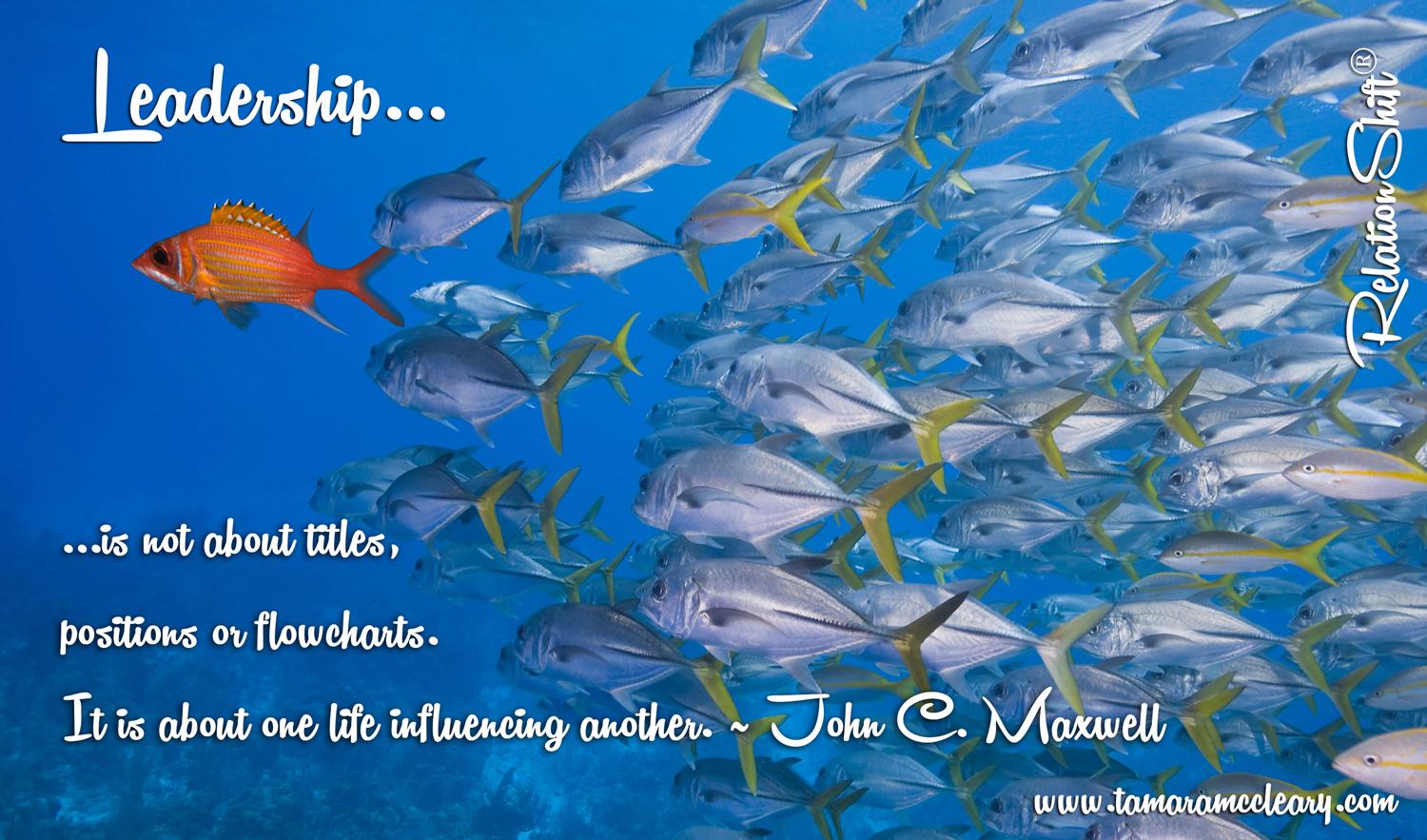
We need to move past preconceived notions as to who qualifies as a leader. There is no ownership of leadership. It has very little to do with titles and positions, especially in the context of education.  Do not accept the notion that all leaders are born or appointed to a position of power.  Leadership is a choice and something that Stephen Covey has written about extensively.  
"Most of the great cultural shifts — the ones that have built great organizations that sustain long-term growth, prosperity and contribution to the world — started with the choice of one person. Regardless of their position, these people first changed themselves from the inside out. Their character, competence, initiative and positive energy — in short, their moral authority — inspired and lifted others. They possessed an anchored sense of identity, discovered their strengths and talents, and used them to meet needs and produce results. People noticed. They were given more responsibility. They magnified the new responsibility and again produced results. More and more people sat up and noticed. Top people wanted to learn of their ideas — how they accomplished so much. The culture was drawn to their vision and to them."
The most influential and impactful leaders I know are those who:

  • Model expectations
  • Talk less and do more
  • Not only create a shared vision, but implement it as well
  • Believe in taking calculated risks
  • Do not fear failure
  • Always work on building positive relationships with others
  • Collaborate for the greater common good
  • Constantly learn
  • Help others see the value in change
  • Focus on solutions as opposed to excuses

Image credit: https://theconfidencepostlb.files.wordpress.com

Everyone has the ability to lead and our schools need more educators to embrace this challenge. Never underestimate your own unique talents and abilities that can help shape the future of our schools to create a better learning culture that students deserve. Some of our best leaders are right under our nose – our teachers and students.  Great leaders not only understand this, but also help these key stakeholders make the choice to lead. 

Also check out this article - How to Be a Leader When You Are Not the Leader

Sunday, September 20, 2015

Have Fun With Change

I have written a great deal about implementing change successfully over the years. One must realize that change is really hard, and a commitment to see the process through is vital if the end goal is a cultural transformation that endures over time.  Success lies in a leader’s ability to make difficult decisions when needed. Leadership is not a popularity contest.  True leaders make tough decisions instead of trying to please everyone.   In the end, real leaders take action, and their ability to be catalysts for change is not defined by a title or position. They are defined by the example they set.

The key goal for any change initiative is sustainability which results in an improved learning culture. This requires a mindset shift and many other important elements. The bottom line, though, is the fact that change is hard for both the initiator and those beings asked to embrace the new initiative.  A simple solution, make change fun.

Dr. Angeline Lim and Dianne Conway discuss the importance of instilling fun into the change process:
"Nearly every day, leaders must initiate and/or help to sustain some sort of change in others. This can be hard work! Often, leaders are taught to "overcome" the dark side of change such as resistance, pain, and the high probability of failure. Infusing fun into a change process helps to create a positive environment for change that contributes to its success."
If you really want people to embrace change and get excited during the process, add some fun factor. Take a look below to see what I mean.


So the next time you are faced with implementing the always-challenging change process, consider how you might positively influence behaviors, mindset, attitudes, and opinions through fun. This is not only an opportunity to be creative, but it can also go a long way toward building positive relationships with key stakeholders.  For some more specific ideas, make sure you read the article by Lim and Conway titled Five Ways to Use Fun For  (a) Change. You might just have some fun yourself thinking about how you will help others embrace change in the future.

Sunday, July 26, 2015

Musings on Leadership, Change, and #EdTech

As I am driving my SUV and family guinea pig from Staten Island, NY to Texas (more to come on this later) I took the opportunity, when my father was at the wheel, to peruse my professional Facebook page.  As I looked through my updates I noticed that I had posted quite a few quotes, ideas, thoughts, and opinions on leading change.  The idea then popped into my head that I should archive all of these in a blog post. Maybe some of you will find value in them (or maybe not). 


Image credit: http://writingontheweb.com/

Without further ado:
Don't prepare learners for something. Prepare them for anything. 
Negative people have a problem for every solution. Don’t let these people bring you down. Rise up and model a better way. 
All kids have greatness hidden inside them. It is the job of an educator to help them find and unleash it.  
Technology is not the key to transforming education…..educators are! 
Energy is precious. Spend it to make a difference. Don't waste it on constant indifference. 
Failure is often learning in disguise. 
We lead not to have people follow, but to inspire others to take action and unleash their own leadership capabilities. 
Blended instruction is what the teacher does with tech. Blended learning is where students use tech to have control over path, place, and pace. 
What you do today could very well transform the life of someone tomorrow. Never underestimate the potential of your actions to make a difference. 
A child who loves going to school typically loves to learn. That’s the type of culture we need to replicate. 
Learning for students needs to be REAL: Relevant, Engaging, Authentic, Lasting 
For so long we have learned to do. What we need now is the opposite; do to learn...especially in schools. 
It all comes down to relationships. Without trust there is no relationship. Without relationships no real learning occurs. 
Leadership is not a popularity contest. Make the tough decisions instead of trying to please everyone. 
The ability to move others outside their comfort zones begins with your own journey to do the same. 
Great leaders build capacity in others knowing full well that it takes more than one person to successfully implement change. 
A testament to true leadership is one's ability to not just initiate change, but also sustain it. 
If you don't tell your story someone else will. Digital leadership is about becoming the storyteller-in-chief to take control of your public relations and build a positive brand presence. 
Reach for the sky and experience your potential. Reach for the stars and discover unlimited potential. 
Success is achieved when you zero in on a goal with an undeniable focus and a determination to overcome an array of challenges. 
Real change comes from colleagues modeling expectations to others, not from those with titles. 
Respect is a fickle thing. It is not earned through opinion, talk, and putting down others, but rather example and action. 
Anyone can come up with ideas. Implementing them in a way that leads to efficacy is the hard part. 
If you truly believe a certain way is better put that belief into action to inspire others to change. 
Don’t just give opinions. Illustrate how your opinions have been implemented in some way to change educational practice. 
Mediocrity is a choice. So is choosing to get better each day. The choice is yours. 
Technology will not revolutionize education. Educators who effectively integrate technology to enhance and support learning will. 
Actions speak louder than words, sound bites, and rhetoric. Model for others and change will follow. 
Don't ask others to do what you won’t. 
Digital leadership is about working smarter, not harder, by enhancing professional practice with the assistance of technology. 
You can complain about the decisions made by someone else or take the initiative and make your own. 
As a leader if you are making students conform to your views and ideals about the structure and function of school without their input you have it all wrong. You work for them; it's their school, and most importantly their voice matters! 
Stop telling people what they need to do and instead take them where they need to be. 
Digital leadership is not an add-on or about giving one more to do. It is a natural compliment to the work school leaders are already doing. It is time to do what you do better. 
An idea is wasted if it is not acted upon leading to change in culture and/or practice. Instead of conformity, rules, and maintaining status quo schools need to focus on choice, ownership, and autonomy. 
Don't expect others to change professional practice if you are not modeling those same expectations. 
Engagement, relevance, and fun are great, but make sure there is observable evidence that students are learning when integrating technology.  
Change doesn’t always mean something new. Often it relies on a mindset shift to improve the initiative already in place. 
Leadership needs to be an active part of professional development by learning side by side with teachers.
The hardest challenge you will face is not changing yourself, but convincing or empowering your colleagues to embrace change. 
It is important to understand that words mean different things to different people and that’s quite ok.  
Don’t use the excuse of students going off task with mobile devices if you do the same thing in a setting where you shouldn’t. 
When building a shared vision and making important decisions impacting school culture make sure students have a seat at the table. 
It’s not our future we are preparing students for, but their’s. We can ill afford to prepare them for a world that won’t exist.
Engaging kids in a conversation about the value of school can and will pave the way to a brighter future. We need to listen, then act. 
Change does not result from speaking into a vacuum. Ideas and actions must extend well beyond social media and edtech cliques.

Never miss an opportunity to show gratitude or bestow kindness on another person. Small, selfless acts like these don’t take much effort, but can totally change the trajectory of other people and maybe even yours. 

You won’t find an effective leader who isn’t an effective communicator. 

          Admitting you don’t know something or need help is a sign of strength, not weakness.

I hope you enjoyed some of my thoughts based not only on observation but also practical experience implementing and sustaining change in schools. I now encourage you to add your thoughts below.

Sunday, June 14, 2015

Excellence Should Not Be Isolated

Through social media many of us regularly share examples of excellence in classrooms, schools, and districts across the world. Twitter and other tools provide me for one with a daily and continuous dose of inspiration. In many cases students have been empowered to take ownership of their learning by being allowed to pick the right technology tool for the right task in order to showcase what they have learned.  Conceptual mastery is now being demonstrated through the creation of artifacts that align to more rigorous standards and the attainment of essential skill sets.  In these cases learning has become more meaningful and relevant for students, which in turn sets the stage for increasing achievement.  


The amplification of these stories through the use of social media would make the unknown observer think that this is common place, but in reality it is the exception. Once one moves beyond the lens of social media, innovative practices, especially those involving the purposeful integration of technology, are mere isolated examples of excellence.  When it comes to technology integration in schools transformation has been painstakingly slow.  It can no longer be acceptable to pat a select few on the back while others either are unwilling or not pushed to change. This does not best serve the whole child or every child for that matter. We must not only make a habit of modeling these practices online, but also in our schools. Isolated pockets of excellence need to become the norm, not the exception.  Regardless of your position it is on your shoulders to help usher in change at scale across your respective system to create schools that work for all kids. 

Sunday, June 7, 2015

The Need For Digital Literacy

With 1:1 technology initiatives and BYOD (Bring Your Own Device) programs increasingly being implemented in schools across the globe, the need for digital literacy education has become more important than ever. Although technology enables students to access more information in much less time, it does not always foster learning. Teaching digital literacy helps to manage all of the benefits of technology while helping students understand how to safely weed through the vast amounts of information online.

Technology in the classroom has the following advantages:

  • Allows students to manipulate information and media to construct their own meanings
  • Enables students to share their ideas quickly and easily
  • Engages students of all cognitive levels and abilities
  • Prepares students to be college and career ready
These benefits, among others, are why technology has become a major part of the global curriculum. However, teaching digital literacy has its challenges. The aspects of e-safety, critical thinking, collaboration, creativity, and finding and evaluating information must all be addressed. Many teachers lose sight of creativity and collaboration because Common Core and other initiatives focus on gathering and evaluating information with very little emphasis on creativity.

Educators need to embrace the creative and collaborative aspects of digital literacy. So much great learning happens through creative and collaborative processes. Bridget Burns, Michael Crow and Mark Becker noted the benefits of collaboration in their article Innovating Together: Collaboration as a Driving Force to Improve Student Success, March 2, 2015. They state that collaboration spurs innovation because bringing together groups of people who have different ideas, approaches, experiences, and areas of expertise creates a fertile environment for generating new concepts and methods. Sharing insights allows ideas to be refined and improved. Charging a group with developing a promising idea incentivizes the group—not just a single individual—to commit to its success and paves the way for trusted collaboration.

Giving students the opportunity to broaden their ideas and experiences opens up pathways of learning that can be extremely beneficial.

Brianna Crowley, an educator in Hershey, PA, successfully teaches her students digital literacy while infusing creativity throughout. She says it took a series of small steps to begin the process. One thing in particular she does is refrain from introducing any new tools into her classroom unless she knows they are going to enhance learning. Often she utilizes tools to engage her students, such as A Google a Day which is teaching her students to search for information in a safe yet creative way.

Another challenge teachers face while teaching digital literacy is the differing views on social media in education. Many schools have strict policies in place to avoid educational use of social media, while others feel that these restrictions are stifling the creativity and collaboration capabilities of today’s students. Dan Haesler, a teacher and educational consultant, believes in proactive social media education, and allowing students to make use of all that it has to offer.

When asked by Common Sense Media about social media bans in schools Haesler replied, “What if we approached driver’s education in the same way?” He concluded: Driving lessons would be taught by adults with little or no driving experience, they would only focus on what not to do, and they would never take place in an actual car. Both driving a vehicle, and navigating the internet require experience and knowledge of safety precautions so as to avoid any major incidents.

The students at Maker’s Place in Homewood, Philadelphia, PA, are a prime example of digital literacy at its finest. Children from the inner city get together to work on their digital literacy through creative and collaborative projects. Instructor Jomari Peterson teaches the students to “take control of your destiny and change the world.” Her students work together to utilize different apps and programs that help them first build a business idea and then use collaborative tools to bring that idea to life.

Although there is no “secret sauce” to effectively help educators teach their students digital literacy, there are some key points to focus on:

  • Allow students to maintain blogs or webpages that enable them to track their own learning. Google Drive easily allows students to create blogs and sites that they can share and collaborate on with their peers.
  • Have students create digital stories that they can share and publish. Edu.buncee.com is a site where students can utilize hundreds of custom stickers, animations, multimedia and even record their voice into their project so they can make it “their” own, both figuratively and literally. For example, “My Day at the Beach” a student tells her story with stickers and animations and her voice recording. “Come to Istanbul” describes the city and all it has to offer.  Getting creative with Buncee is a breeze.
  • Offer students the ability to email and video chat with students in other countries. Skype Translate allows students to have a real time conversation with immediate translation.
  • Don’t get caught up in the need for strictly finding information and evaluating it. Always allow for creative ways to learn and produce.
With the help of great Ed Tech tools and dedicated educators, students can gain digital literacy and become fluent in safely finding and evaluating information, creating, and collaborating.

Sunday, May 24, 2015

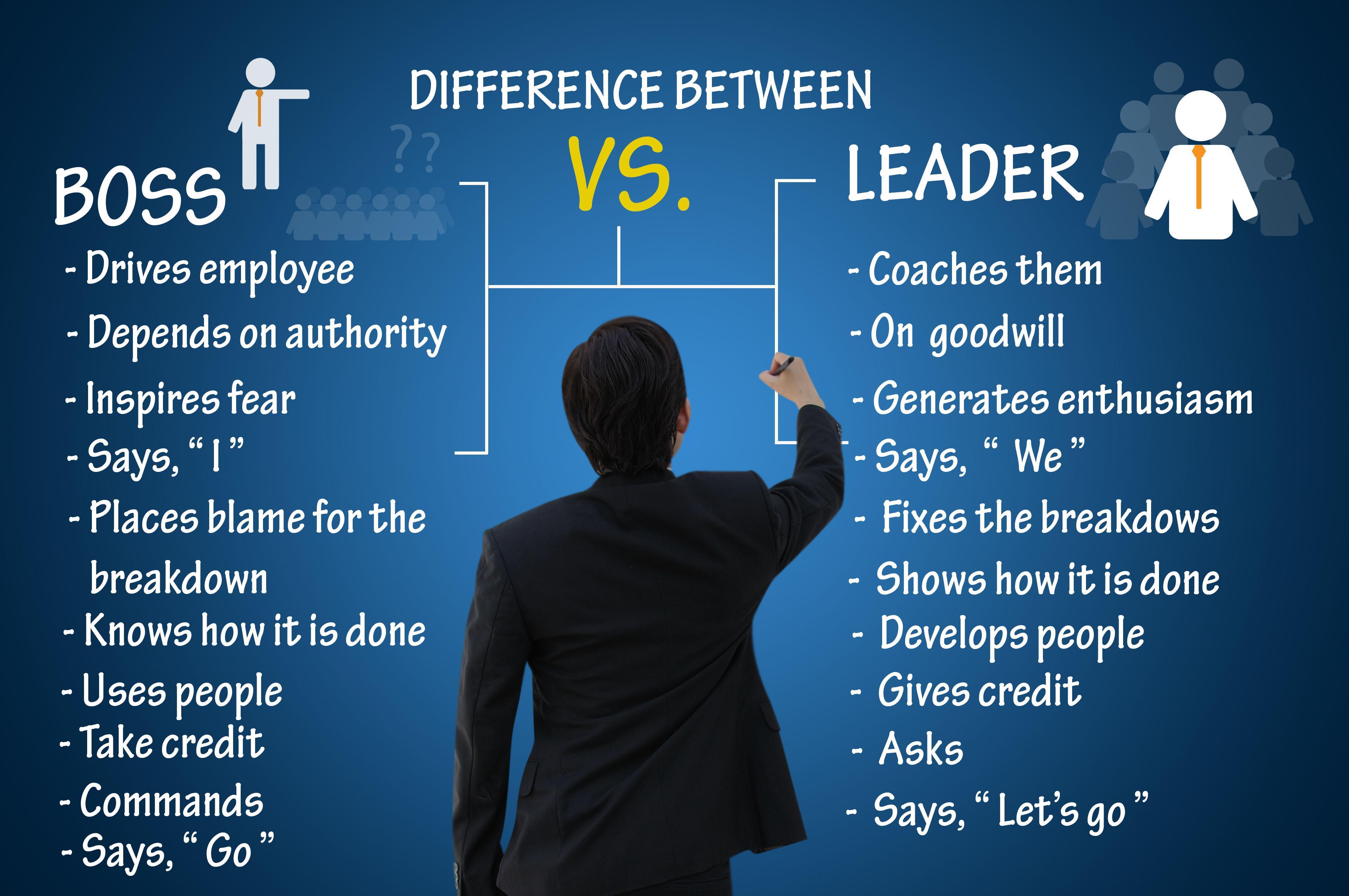
Leaders Don't Boss

"Leaders care about why things get done. Bosses just want things to get done. Bosses maintain order for the sake of order. Leaders introduce order for the sake of progress." - Akshay Kapur 

Do you work for a boss or with a leader? Are you a boss or a leader? This is an extremely important question where the answer is probably indicative of the climate in which you work and the success (or lack thereof) of change initiatives.  The fact of the matter is people choose to be either a boss or a leader.  This choice can have a monumental impact on any organization.  Leadership is a choice that evolves over time through one’s actions.  Leaders look to constantly improve and help others to do the same. Bosses care very little about self-improvement and are more focused on extrinsic motivational factors.  

More than one individual  

Change does not come from one person.  Leaders believe in servitude while embracing the collective strengths and abilities of all people in an organization. They work hard to build a team and use the hiring process to surround themselves with smart people.  Great leaders do not shy away from hiring people that are smarter than them and are not afraid to admit it.  Consensus and shared decision-making are strategies commonly used to foster embracement for change, which ultimately leads to success.  Leaders work tirelessly to build relationships with everyone through collaboration, trust, and respect.  The power of many always trumps that of one.  Bosses on the other hand expect everyone to serve them. Their specific title and self-perceived power that comes with it leads to a sense of entitlement. 

Example moves the masses

Leaders never ask others to do what they are not willing to do themselves.  They model the way and use their example as a means to move a change initiative forward.  Leaders understand that talk is cheap and opinions do absolutely nothing in the long run to successfully implement change.  Their actions speak for themselves and are used as catalysts to inspire others to join in.  Bosses command and direct others to do what they are not willing to do themselves.  They use talk and rhetoric as the main drivers to force an agenda forward or have others do their bidding. Bosses do not see the inherent value in spending the time and effort to participate in actively building a better culture leading to improvement.  

Implement vision into action

Leaders work with others to develop a vision to help move a mission forward.  In the case of schools, these people ensure measures of action result in the vision becoming a reality so that all students learn and overall achievement increases.  Great leaders focus on the vision for the mission’s sake. Bosses set the vision themselves, usually in the form of a mission statement. They then sit on top of this mission statement and use it to promote themselves when others succeed. 

Expect more and work harder

True leaders set high expectations of themselves.  They understand by doing so the workload increases as progress is made.  Leaders that have raised the bar and let their work be the example motivate and inspire others to do the same. They focus on solutions instead of excuses. Bosses on the other hand expect to reap rewards and benefit from the hard work of others. 

Bosses come in many forms, as do leaders.  They are not just with people you might work for, but also those in positions of authority.  When I look at current education reform efforts across the globe I see endless examples of bosses, but very few leaders.  I can also say the same about the social media space. There needs to be less telling educators what to do and more showing them how to do it. If not, then those individuals are no better than many of the bosses that they complain about.


Image credit: http://sinsip.com/st.jpg 

Bosses tell others what to do. Leaders on the other hand take them where they need to be.  

Sunday, May 17, 2015

A Time and Place For Buy-In

Maybe it’s just me, but I can’t stand the term “buy-in” when it comes to change.  It is one of these phrases that has outlived its usefulness, if in fact sustainable change leading to transformation is the ultimate goal. More often than not, this leadership tactic is put into play to get educators on board with specific mandates and directives that have been pushed down from either the state government or central office.  In my opinion, this is the only time when looking for buy-in is appropriate because you really don’t have much of a choice in the matter.  It is in these situations that leaders have to “sell” others on the importance of change whether or not they actually find value in it themselves.  We have to do so by developing a concrete strategy comprised of compelling reasons to get staff on board with these changes even though we ourselves never actually bought in.  


Image credit: https://trmurf.files.wordpress.com/2015/06/embrace-change.jpg

As a principal this was always a tough pill for me to swallow. I often felt guilty as I addressed my staff with an elevator pitch loaded with reasons as to why these changes were needed.  In these situations my role became more about selling change.  Thus educational leadership in many regards has morphed leaders into sales reps who have to move an agenda forward even if the outcome will not help to positively transform school culture.  It comes as no surprise that initiatives implemented through a buy-in approach rarely are sustained to a point where there is a noticeable lasting impact on culture.  

Real change that is sustained does not come from buy-in. If you have to sell people on change then you will always have to spend precious time keeping people bought-in.  With buy-in the leader becomes, and remains, the focus of the change initiative. If there is one thing I learned during my time as a school leader, where many successful changes were successfully implemented over a short period of time, it was that change has to be embraced by all stakeholders.  When educators have to be coerced through a buy-in approach animosity and resentment often follow.   

Our approach focused on putting our stakeholders in a position to experience the value of change firsthand. Instead of a one-size-fits-all methodology to moving the masses to where we wanted them to be, we instead identified those among the staff who exhibited powerful leadership attributes and empowered them to be agents of change.  I still provided an overall explanation to my entire staff as to why we needed to change certain things and how we could go about it, but allowed everyone to go at their own pace initially. This allowed me to focus time, energy, and resource on a smaller group of go-getters who I had hoped would be the key.  The calculated gamble paid off.  This team of teacher and student leaders was put in a position to experience the value of changes we supported as administrators, but they championed through their successes.  They owned the process and I shared their successes far and wide.

I might have played my part by bragging about the successes this group experienced early on, but it was their actions that compelled their colleagues to move in a different direction and embrace change.  There is nothing more powerful than the act of modeling when it comes to initiating and sustaining change.  It is at this point that stakeholders embrace new and different ways of doing work because they want to, not because they have to. The true leaders of change are our teachers and students. Great leaders, in my opinion, remove all excuses by providing the necessary support.  Place people in a position to experience firsthand the benefits of the change and they will do the hard work of moving the masses.  


Image credit: http://usercontent2.hubimg.com/8187243_f520.jpg

Think about changes that you have made on a professional level.  Did you have to “buy-in” in order to make those changes or did you embrace them once you experienced the inherent value for yourself?  I would guess the latter and that is why the change took hold resulting in an improvement of professional practice. For change to be successful and last the test of time it has to be embraced. The next time you are in a position to implement needed change think about how you will approach it in a way that focuses on embracement as opposed to buy-in.

Sunday, May 3, 2015

A Title Doesn't Make You a Leader

I pondered just sending out the title of this post as a tweet – short, sweet (well, not so much), and to the point. Instead of just throwing out a sound bite into the social media abyss, a detailed explanation is needed.  Now, here’s why.  As of late, I have been working with a greater number of teachers across the country on digital leadership and learning.  During the many conversations that ensue over the course of the workshop, a common theme has developed, and that is real change can only come from the adults that have a specific title, such as Board of Education member, superintendent, other central office administrators, principals, supervisors, etc. Immediately upon hearing this, I share stories of many “leaders” by title that I have come in contact with over the years or observed from afar that did anything but lead.  I would also bet that I am not the only one who feels this way either. 


Titles are often squandered, which results in lost opportunities to transform organizations in positive ways.  Leaders by title alone often exhibit many defining characteristics such as egos, power trips, taking credit for the work of others, handing down mandates/directives, invisibility (i.e., never seen or around when needed), and insecurity when their ideas are challenged in the open. They commonly tell others what to do without having done it themselves or assisting in the process.  I could go on and on, but I think you get the point. Changes that are implemented by leaders by title are never sustained.  What scares me the most about leaders by title only is that they have the ability and power to inhibit the changes that are desperately needed.  The perception of the term leader needs to change, and it begins with you.

A title doesn’t automatically anoint one as a leader. Leadership is comprised of a dynamic mix of behaviors, mindsets, and skills, which are used to move people where a leader wants them to be for the betterment of the organization.  In the case of schools, great leaders help others see the value of change by clearly articulating the why and how to build broad support through consensus. However, a real leader knows when to step in and make the hard decisions that have to be made, having calculated the positive outcomes prior.  They also stand by these decisions in the face of adversity.

In my opinion, all leaders have one thing in common – they do, as opposed to just talk. Leadership is about action, not position.  This comes back to the motivation for this post.  Some of the best leaders I have seen during my years in education never had a title.   What they did have was the tenacity to act on a bold vision for change to improve learning for kids as well as overall school culture.  These people are overlooked because they don’t possess the necessary title that is used to describe a leader in a traditional sense.  

Make no mistake about the fact that many of you are surrounded by these people each day, both physically and virtually. They are teachers, students, parents, and even administrators who have all taken action to initiate meaningful change in their classrooms or schools. These people don’t just talk the talk, but they walk the walk. They lead by example in what might be the most impactful way possible – modeling. These true leaders do not expect others to do what they are not willing to do. The best part is that these unsung heroes do not need a title to make a difference. They also don't need a title to be agents of change.


Image credit: Tom D'Amico

Everyone has the capacity to be a leader in his/her determination to be better for the greater common good.  Leaders choose to become so and are ultimately defined by their resolve to initiate change in the face of adversity. I believe that leadership is not innate but rather learned through the actions that we choose to take, as well as a critical analysis (both good and bad) of other leaders.  So the next time someone with a title is referred to as a leader, think about what he or she has really done in his or her respective position to champion real change. Upon pondering that, the realization might be that the true leader is actually you, even though you don’t have the title.

Tuesday, April 28, 2015

Let Your Work Do The Talking

Let me start off by saying that this post has been brewing for a while based on what I have observed with nothing being directed at me personally.  Maybe it is just the way I feel, but I am thinking that this is not the case.  

It seems like adults at times are the worse examples for our youth.  Take sports for example.   I was raised to enjoy many sports for the love of the game, teamwork, and competing amongst friends.  Things sure have changed.  It is now quite common to observe trash talk among youth and sport athletes.  This was rarely the case back in my day.  There is a lesson here to teach kids about the inappropriateness of this, but it becomes even tougher when adults constantly model inappropriate behavior.  At what point did sportsmanship, manners, etiquette and modeling appropriate behavior not become important?

This type of behavior is also found in the online world.  I entered the online world in 2009 and can honestly say a great deal has changed.  It sort of parallels the example above in the youth athletics arena.   From my point of view (and only mine), it was a much more welcoming space where mutual respect was earned through constructive discourse, dialogue, and collaboration. In many cases it now seems to be dominated by competition, cliques, and people trying to one up each other all the time.  I have seen the conversational tone lessen and more attacks, jabs, and isolation of certain groups evolve over time.  Belittlement has become the flavor of the month for one too many. 

I still believe in the power of the space and constantly find inspiration in the work of others. Yes, the pettiness of some has driven me to write this post, but I do believe that as role models and educators we need to set the example of what we expect to see from our youth in online spaces.  To that end I offer this simple bit of advice -Actions speak louder than words and in the long run are more respected. Instead of putting other people down let your work do the talking.  There is no greater influential force than that of modeling.  As they say, talk is cheap.  There is nothing cheaper than taking shots from behind a computer screen at other educators whose success has come as a result of hard work.


Image credit: http://cdn.quotesgram.com/img/53/22/1940781576-walkthetalk-e1370891433124.jpg

I never saw myself being in the position I am today, nor did many other connected educators for that matter. I tend to stay above the fray even when I see veiled cheap shots and passive aggressive behavior directed at those who are doing nothing more than their jobs.  My parents taught me to work hard in life and appreciate those who work just as hard and harder than me.  So when terms like rockstar and thought-leader are thrown my way I feel uncomfortable. My perceived success and influence is only a result of the many connected educators who set the bar so high.  Their unselfish work geared towards kids that is exemplified through sharing, conversation, and artifacts is what sets them apart from others.  To put people like this down perplexes me deeply.

In life success is earned, not given out.  Personally I have worked extremely hard for everything I have accomplished professionally. At this point I never ask to be included in events or conversations, as I would hope that my work places me in this position. When I and others are included it is because of our work. It baffles me as to why other educators blatantly knock down and berate their colleagues.  After all, we are all in the business of education in our respective roles.  

Talk, opinions, rhetoric rarely change anything.  When I see other educators succeed it brings me great pride no matter who they are. I tend not to judge, but constantly watch other educators do just that through social media.  Let’s be the example that we wish to see in others, especially our kids.

Sunday, April 12, 2015

To Disconnect or Not

I just returned from a much needed eight day Disney World vacation with my wife and two kids.  It truly was a magical time where we spent literally twelve or more straight hours together each day laughing, enjoying rides, and engaging in conversation on hundreds of topics.  As the vacation leader I made sure the alarm went off at 5:40 AM each morning so we could get to each of the four parks early to avoid the lines and heat. Early on I took some heat of my own for this from my wife, but boy did it pay off.  Each day we rode the most popular rides numerous times by 11:00 AM and then got to relax by the pool, stay in the park to enjoy more rides, or even take family naps. My wife eventually complimented me on ensuring that the kids had the best experience possible. This vacation was like no other as each of us was totally exhausted at the end of every day, but we happily pressed on as Disney really does have such a magical appeal.  

Image credit: http://media.bizj.us/view/img/703801/itproducts-top5e*304.jpg

Prior to leaving for Disney we decided as a family not to bring any computing or tablet devices.  I tried to talk my wife into letting me bring the Chromebook solely for the purpose of enriching our Disney experience, but once I got "the look" I decided it was in my best interests to leave it at home.  We did take our smartphones and allowed our kids to each pack their iPod touches.  From a parent's point of view technology really did enhance our vacation experience. Disney has an incredible app that allows you to check the wait times for rides in real time as well as access/change FastPasses and dining reservations.  There were also detailed maps and descriptions of all rides and entertainment experiences that allowed us to customize each day based on what our kids wanted to do.  The wait time feature alone allowed us to get on more rides during the most popular time to visit Disney World.  Each park was jam packed every day, but our technology helped us make the best of it.

Now some of the ride lines were long (45 min or more) especially in the afternoons.  We tried to avoid these, but in some cases with the most popular rides we couldn't.  This was torture for an eight and nine year old so as parents this is when our kids had access to their iPod Touches. The time then flew by as our kids collaborated on Minecraft while showing us their creations. By the way, all Disney World parks have free WiFi.  At other times our kids asked for their devices to take pictures, especially at Animal Kingdom, and create iMovie's of their magical experiences during the vacation.  Technology used wisely and with purpose in my opinion.

Then there was me. Just like my kids there were times where access to my technology enhanced my vacation experience.  I did check Twitter each day and tweeted a few times, especially when waiting in long lines.  It is cool in my opinion to make the best use of even vacation time to learn a little.  Twitter has long been my number one tool for professional learning as the main tool to form my Personal Learning Network (PLN).  I was also able to keep my email in check during some downtime.  For the most part though my phone was used to take pictures on Instagram and cross post to Facebook.  This is the point of my post.  I choose not to ever disconnect.  With the evolution in technology balance becomes key.  I learned long ago to never let technology interfere with family time.  If there is a need or desire to go cold turkey and disconnect for a period of time then that tells me balance has not be attained yet. 

For me technology is a huge part of both my personal and professional life, which is why I embrace it.  It is important for everyone to find balance as technology will become even more embedded in our lives in the the coming years. If you find balance when it comes to technology in your life then you will not have to make a decision as to whether or not you need to disconnected.....unless you want to.

Sunday, February 22, 2015

Looking at Teacher Accountability Through a New Lens

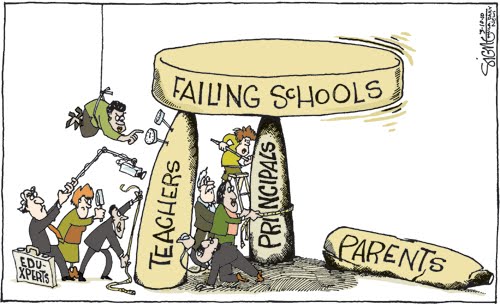
In case you haven’t noticed the education profession has been under attack as of late. The brunt of these attacks has been aimed at the very professionals who are tasked with positively impacting the lives of children each and every day – our teachers.  In my mind education is the noblest of professions.  Without education, at some level virtually all other professions would be non-existent. This places our teachers at the forefront of molding young minds into the next generation of doers, thinkers, creators, leaders, and entrepreneurs.  If there is ever a profession that should be revered as much as that of a doctor who saves lives it is that of a teacher.  


Image credit: https://larrycuban.files.wordpress.com/2011/12/parents.jpg

Unfortunately there is a growing rhetoric and sentiment that the education system in America is broken and our teachers are to blame for this.  New accountability systems have been championed and adopted across the country that reduce teacher effectiveness to a mere number.  The algorithm adopted by many states, which quite frankly makes little sense, crunches data sets in an attempt to measure the quality of a teacher against his or her peers. Each state has different factors that go into their value-added measurement (VAM) of a teacher, but the dominant component is standardized test scores.  Teachers are the true catalysts of change that can create schools that work for kids. Even though countless studies have debunked this means to truly assess teacher effectiveness states have moved full steam ahead ignoring the research.

With such a focus on standardization in schools, many teachers feel compelled to prepare students for a litany of exams, as the data extrapolated from them will be used for high-stakes evaluation. Administrators are also intimately tied to these results as well, so as a knee-jerk reaction an environment that resembles a test-taking factory is created.  The sole focus becomes one that emphasizes performing well on a test as opposed to learning.  What results is the proliferation of an industrialized model of education that reformers claim they want to get away from, but the policies they support only help to sustain it. This gloomy depiction of what is happening to schools across the country by people that have no business enacting education policy is forcing teachers to leave the profession at alarming rates. 

The structure and function of the majority of schools in this country is the exact opposite of the world that our learners are growing up in.  There is an automatic disconnect when students, regardless of their grade level, walk into schools due to the lack of engagement, relevancy, meaning, and authentic learning opportunities.  Our education system has become so efficient in sustaining a century-old model because it is easy and safe.  The resulting conformity has resulted in a learning epidemic among our students as they see so little value in the cookie-cutter learning exercises they are forced to go through each day. The bottom line is that they are bored. It is time that we create schools that work for our students as opposed to ones that have traditionally worked well for the adults.

Creating schools that work for students requires a bold vision for change that not only tackles the status quo inherent in the industrialized model of education but also current education reform efforts. Even though Common Core is not a curriculum, many schools and districts have become so engrossed with alignment and preparing for the new aligned tests that real learning has fallen by the wayside.   We need to realize that this, along with other traditional elements associated with education, no longer prevail.  How we go about doing this will vary from school to school, but the process begins with the simple notion of putting students first to allow them to follow their passions, create, tinker, invent, play, and collaborate.  Schools that work for students focus less on control and more on trust. 

There is a common fallacy that school administrators are the leaders of change. This makes a great sound bite, but the reality is that many individuals in a leadership position are not actually working directly with students. Teachers are the true catalysts of change that can create schools that work for kids. They are the ones, after all, who are tasked with implementing the myriad of directives and mandates that come their way. Leadership is about action, not position. Schools need more teacher leaders who are empowered through autonomy to take calculated risks in order to develop innovative approaches that enable deeper learning and higher order thinking without sacrificing accountability. If the goal, in fact, is to increase these elements in our education system then we have to allow students to demonstrate learning in a variety of ways.  

For change to be successful it must be sustained.   Teacher leaders must not only be willing to see the process through, but they must also create conditions that promote a change mentality. It really is about moving from a fixed to a growth mindset, something that many educators and schools are either unwilling or afraid to do. The essential elements that work as catalysts for the change process include the following:

  • Empowerment
  • Autonomy
  • Ownership
  • Removing the fear of failure
  • Risk-taking
  • Support
  • Modeling
  • Flexibility
  • Collaboration
  • Communication

What I have learned is that if someone understands why change is needed and the elements above become an embedded component of school culture he/she or the system ultimately experience the value for themselves. The change process then gets a boost from an intrinsic motivational force that not only jump-starts the initiative but allows for the embracement of change as opposed to looking for buy-in.  We should never have to "sell" people on better ways to do our noble work nor rely on mandates and directives. These traditional pathways used to drive change typically result in resentment, undermining, and failure.

Even in the face of adversity in the form of education reform mandates, Common Core alignment, impending PARCC exams, new educator evaluation systems, loss of funding, and an aging infrastructure, at my school, we have not only persevered but proven that positive change can happen with the right mindset.  Teachers were put in a position to overcome these challenges and experience success.  Others can as well. Throughout the past couple of years, I have seen improvements in the "traditional" indicators of success by mainly focusing on creating a school that works better for our students as opposed to one that has always worked well for us. Technology was a tool that my teachers harnessed and leveraged to do what they did better while creating a culture of learning that actually meant something to our students. My recent TEDx talk provides insight into how this was accomplished.  

My message is to everyone who has and continues to bash teachers by implementing accountability structures that will do nothing to help our students succeed in life and follow their dreams.  There need to be more creative ways to hold teachers accountable so that a school-wide focus on relevant learning becomes the norm. Teachers should no longer be forced to prepare students for a world that no longer exists and be held accountable through one-dimensional means.  Teacher success should be judged on the products students create with real-world tools to solve real-world problems.  If teachers are allowed to innovate and allow students to create artifacts of learning to demonstrate conceptual mastery, the end goal should be the acquisition of higher-order thinking skills.