A great deal of time is spent developing and providing feedback on lessons with the goal being student learning. Regardless of the terminology that is used, virtually every plan follows a format to help achieve this outcome. As I have discussed previously, the anticipatory set at the beginning and closure at the end are critical strategies that can assist any teacher or administrator in determining the efficacy of a lesson. More importantly, both serve the needs of learners in terms of overreaching purpose. As much as these elements are critical to effective instructional design, what’s more vital are continuous checks to determine if students understand.

Checking for understanding consists of specific points during the lesson or task when the teacher checks to see if the students understand the concept or steps and how to enact them to achieve the target. It clarifies the purpose of the learning, can be leveraged as a mechanism for feedback and can provide valuable information that can be used to modify the lesson. Douglas Fisher and Nancy Frey offer the following thoughts on why this strategy is pivotal to lesson success:
Questions, questions, and more questions are a rule of thumb. Asking, working with, and answering questions is at the heart of facilitating learning. Learning must be an active process. Asking a question is an action. In my role as I coach, I almost always see teachers asking questions. The key here, though, is to make sure that they are focused not just on the recall of knowledge and facts, but whether kids genuinely understand the concept being addressed.

Posing verbal questions to students throughout a lesson goes without saying and should be done consistently. Some students will raise their hands while others will be randomly called upon. In other cases, a few might be selected to go to the board and solve problems while the others watch. However, how does one know if all the kids actually understand? Below are three easy to implement strategies to improve checks for understanding in ways that ensure all kids have the opportunity to respond to verbal questions:
The above strategies represent three practical options to improve checks for understanding that involve all learners. Therein lies the key point of this post. All means all.
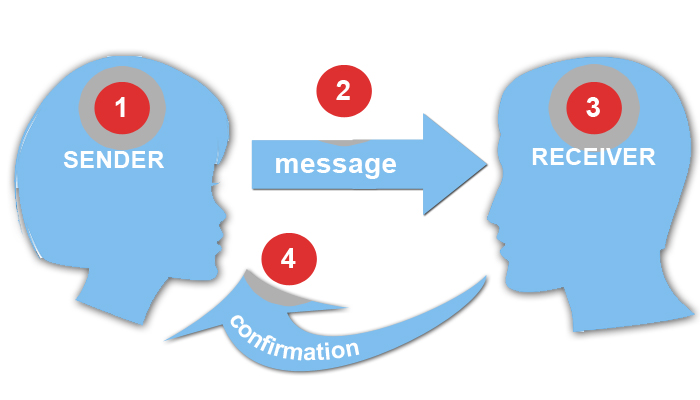
Checking for understanding consists of specific points during the lesson or task when the teacher checks to see if the students understand the concept or steps and how to enact them to achieve the target. It clarifies the purpose of the learning, can be leveraged as a mechanism for feedback and can provide valuable information that can be used to modify the lesson. Douglas Fisher and Nancy Frey offer the following thoughts on why this strategy is pivotal to lesson success:
Checking for understanding is an important step in the teaching and learning process. The background knowledge that students bring into the classroom influences how they understand the material you share and the lessons or learning opportunities you provide. Unless you check for understanding, it is difficult to know exactly what students are getting out of the lesson. In fact, checking for understanding is part of a formative assessment system in which teachers identify learning goals, provide students feedback, and then plan instruction based on students' errors and misconceptions. Hattie and Timperley (2007) identified these phases as feed-up, feedback, and feed-forward. Note that checking for understanding is an important link between feed-up and the feedback students receive as well as the future lessons teachers plan.Why does checking for understanding matter so much? Consider this from Dylan William:
"Does the teacher find out whether students have understood something when they [students] are still in the class, when there is time to do something about it?"Now let's talk about some sound strategies. Formative assessment at the end of the lesson is a no-brainer. This can be incorporated as a part of a closure, monitoring during cooperative learning or individual work, independent practice (worksheet questions, problem-set, writing task), or through the use of technology. One of my favorite edtech tools to accomplish this, where higher levels of thinking can be measured, is Formative. While all of these are great options to determine whether or not learning has occurred by the end of a class, I want to focus on some simple and easy to implement ideas that can help check for understanding throughout a lesson.
Questions, questions, and more questions are a rule of thumb. Asking, working with, and answering questions is at the heart of facilitating learning. Learning must be an active process. Asking a question is an action. In my role as I coach, I almost always see teachers asking questions. The key here, though, is to make sure that they are focused not just on the recall of knowledge and facts, but whether kids genuinely understand the concept being addressed.

Posing verbal questions to students throughout a lesson goes without saying and should be done consistently. Some students will raise their hands while others will be randomly called upon. In other cases, a few might be selected to go to the board and solve problems while the others watch. However, how does one know if all the kids actually understand? Below are three easy to implement strategies to improve checks for understanding in ways that ensure all kids have the opportunity to respond to verbal questions:
- Provide each student with access to an individual dry-erase whiteboard to respond.
- Purchase desks or tables that have a dry-erase surface
- Use available technology. Some of my favorite tools include Pear Deck, Nearpod, and Padlet, where the teacher can see each individual student's response. They also cater to the answering or open-ended questions. Then there are game-based options such as Kahoot, Quizizz, QuizWhizzer, and Gimkit. Other tools such as Menitmeter and AnswerGarden, allow for whole-class participation in a more informal manner. If there is not equitable access to technology, then Plickers is your best bet.
The above strategies represent three practical options to improve checks for understanding that involve all learners. Therein lies the key point of this post. All means all.


